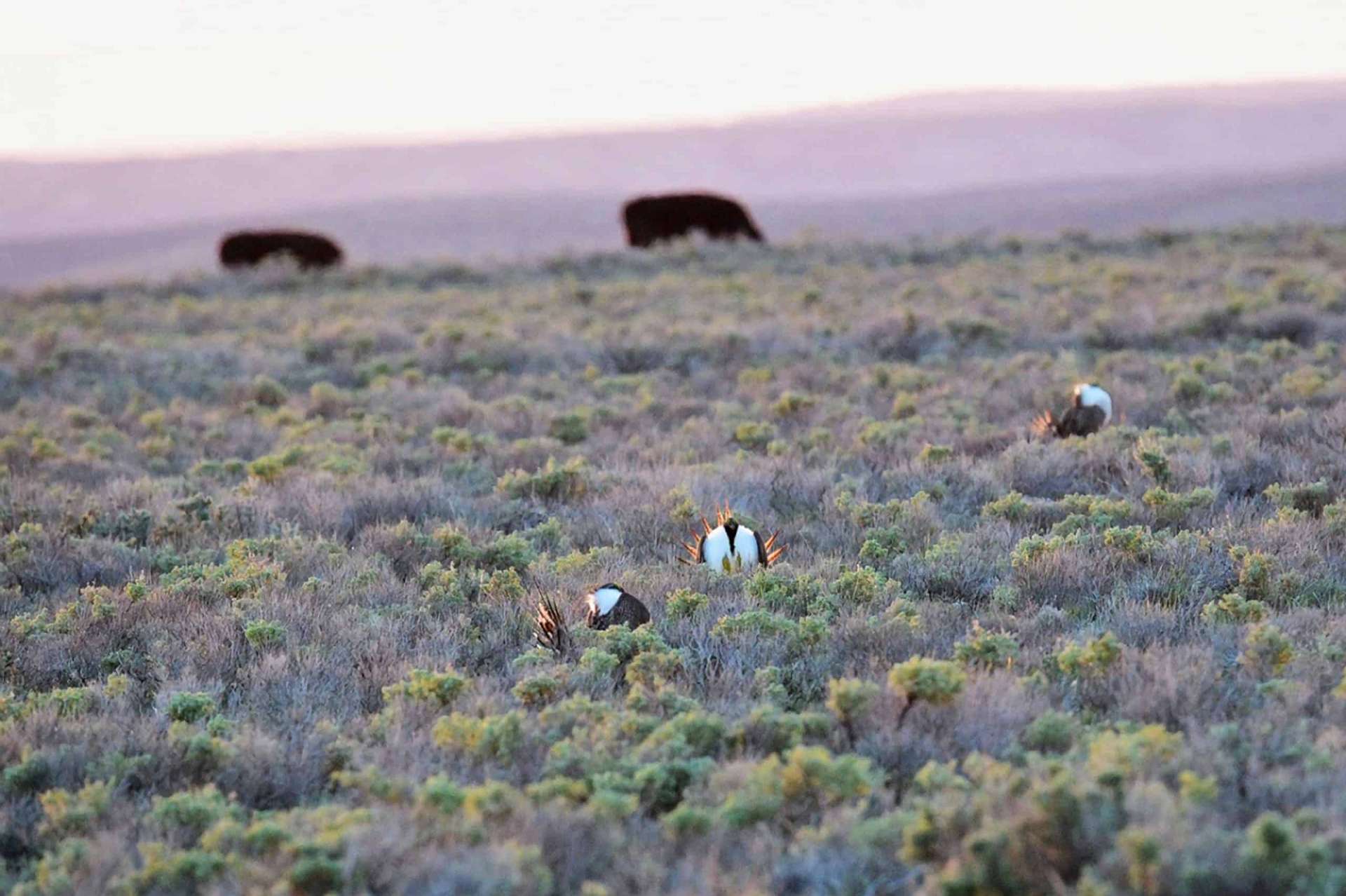
Wildlife habitat that works with your operation — and your books.
Pollinator plantings, buffers, and easements can be funded, not just 'extra.' Rangeworks helps you see which habitat programs fit a working ranch.
Habitat is no longer just a side project.
Habitat work can improve pollination, pest balance, and water quality — practical benefits for working operations. Pollinator strips attract beneficial insects. Riparian buffers filter runoff and stabilize stream banks. Wetlands hold water on the landscape longer. These aren't just conservation talking points; they're outcomes that affect your bottom line.
Many programs pay landowners to establish pollinator habitat, riparian buffers, or protect key acres. The Conservation Reserve Program (CRP) has specific options for pollinators and wildlife, and state wildlife agencies often have cost-share for habitat improvements. The funding is there — the challenge is knowing what's available and how it fits your land.
Featured Program
Conservation Reserve Program (CRP) — Pollinator and Habitat Practices
Administered by USDA Farm Service Agency (FSA)
CRP pays annual rent to establish conservation cover on eligible acres. Pollinator-focused practices like CP42 (Pollinator Habitat) and continuous sign-up options for buffers and wetlands make it possible to add habitat while receiving steady payments.
Example: Using CRP to grow pollinator habitat on a working farm
A cut-flower farmer used CRP to create pollinator habitat between a high tunnel and a neighboring soybean field. The enrolled strip provides forage for native bees and other pollinators while qualifying for CRP rental payments — a practical way to add habitat without taking productive acres out of the operation.
Similar examples exist across the country: diversified farms and ranches using field edges, wet areas, or marginal ground to establish pollinator plantings or buffers. The key is matching your land's characteristics with the right CRP practice and sign-up option.
State and regional habitat programs
Beyond CRP, many states have their own wildlife and habitat cost-share programs, often administered through fish and game agencies or conservation districts. Rangeworks will show you state-specific options alongside federal programs.
Two ways to approach this
You can tackle the paperwork alone, or let Rangeworks handle the heavy lifting.
Path A: Piecing together habitat programs yourself
- 1Identify which CRP or state habitat programs are open in your county.
- 2Learn which acres are eligible and what you must plant or restore.
- 3Work through seeding mixes, buffer widths, and practice codes with multiple agencies.
- 4Fill out enrollment forms and supply maps, FSA/NRCS numbers, and ownership/lease documents.
- 5Track sign-up windows and ranking periods.
- 6Manage practice establishment, maintenance, and compliance inspections.
- 7Keep your own calendar for contract payments and renewal options.
Path B: One view of your working lands and your habitat
- 1In Rangeworks, map or describe where habitat makes sense (field edges, riparian zones, wet areas, marginal acres).
- 2Rangeworks surfaces relevant habitat programs (CRP options plus state wildlife programs) based on your state and operation type.
- 3Rangeworks helps you summarize a habitat project that fits both your cattle/crop operation and the program rules.
- 4Rangeworks keeps track of deadlines, maintenance tasks, and reporting across all your habitat projects in one place.
Fewer steps. Clearer language. One place for everything.
Take the work off your desk — not out of your hands.
Rangeworks helps you organize programs, prepare stronger drafts, and stay ahead of deadlines — while you stay in control of every decision.
No contracts. Cancel anytime. We never sell your data.